
Author: Emmanuel Oyelayo
Background
Rapid point-of-care testing can help African clinicians distinguish patients who may benefit from antibiotics from those who are unlikely to do so. By delivering quantitative C-reactive protein results during the consultation, the LumiraDx Platform could support more targeted prescribing, strengthen antimicrobial stewardship, and extend diagnostic capacity beyond central laboratories. Realising this potential will depend on affordability, reliable supplies, workforce training, quality assurance, and sustainable domestic financing.
Antimicrobial resistance (AMR) is one of the most serious threats to public health in Africa today. When bacteria, viruses, and other microbes stop responding to the medicines (antimicrobials) we use to treat them, common infections become difficult or even impossible to cure [1]. Globally, in 2021 alone, AMR was associated with an estimated 4.71 million deaths, while 1.14 million were directly attributable and 1.05 million indirectly, with 250,000 deaths directly attributed to AMR in sub-Saharan Africa. [2].
One of the biggest drivers of AMR is the misuse and overuse of antibiotics. When a patient presents with fever, cough, or other symptoms of infection, clinicians must often choose between prescribing antibiotics “just in case” the infection is bacterial andwaiting for laboratory results that may take days to arrive [3]. The Mapping Antimicrobial Resistance and Antimicrobial Use Partnership (MAAP) study (2022) reviewed 819,584 AMR records from 2016 to 2019 across 14 African countries and found that only 1.3% of the 50,000 medical laboratories in these countries conduct bacteriology testing [4]. This diagnostic gap encourages empirical antibiotic prescribing because clinicians frequently lack timely evidence about whether an infection is bacterial or viral, thereby potentially fuelling AMR [4].
The Solution: LumiraDx Platform
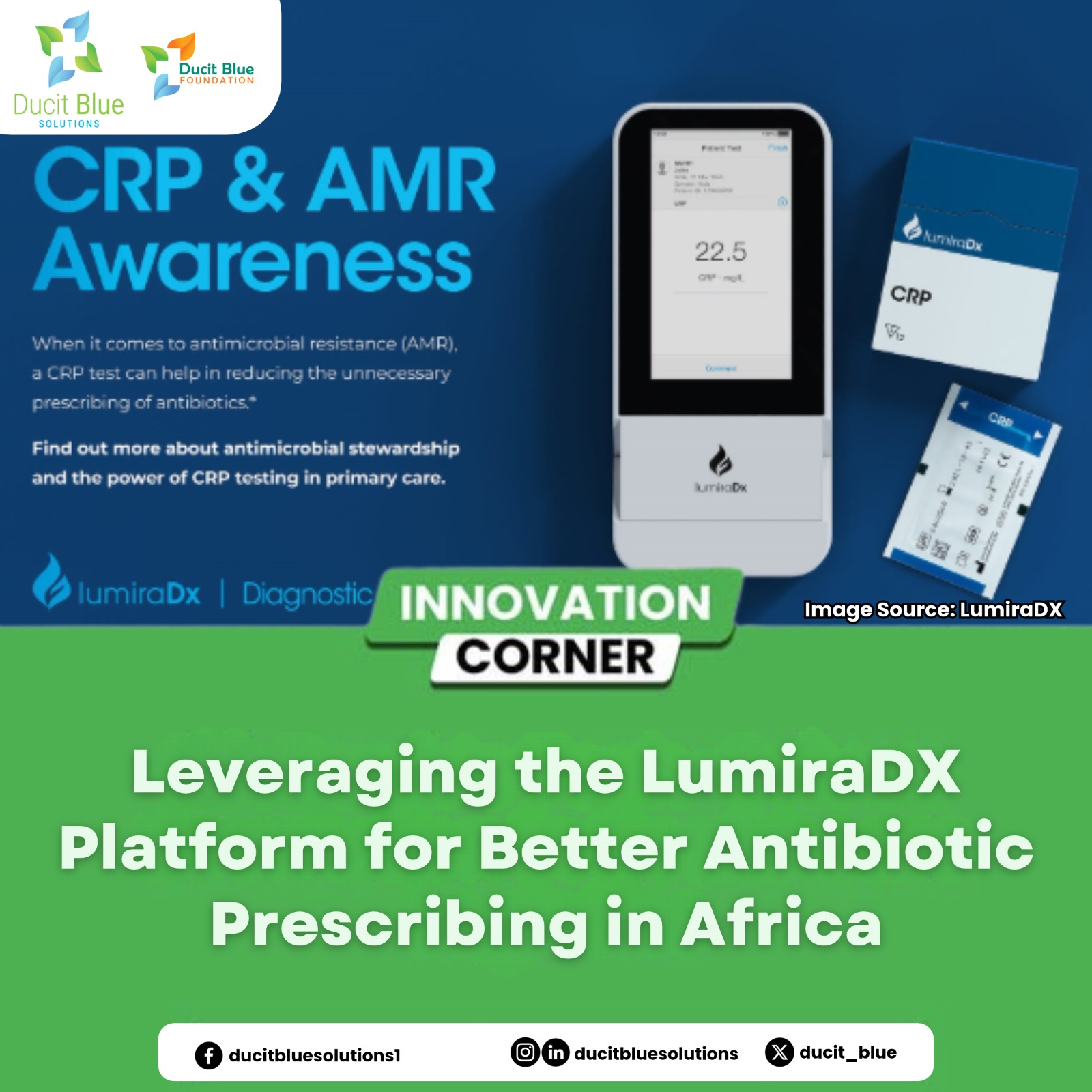
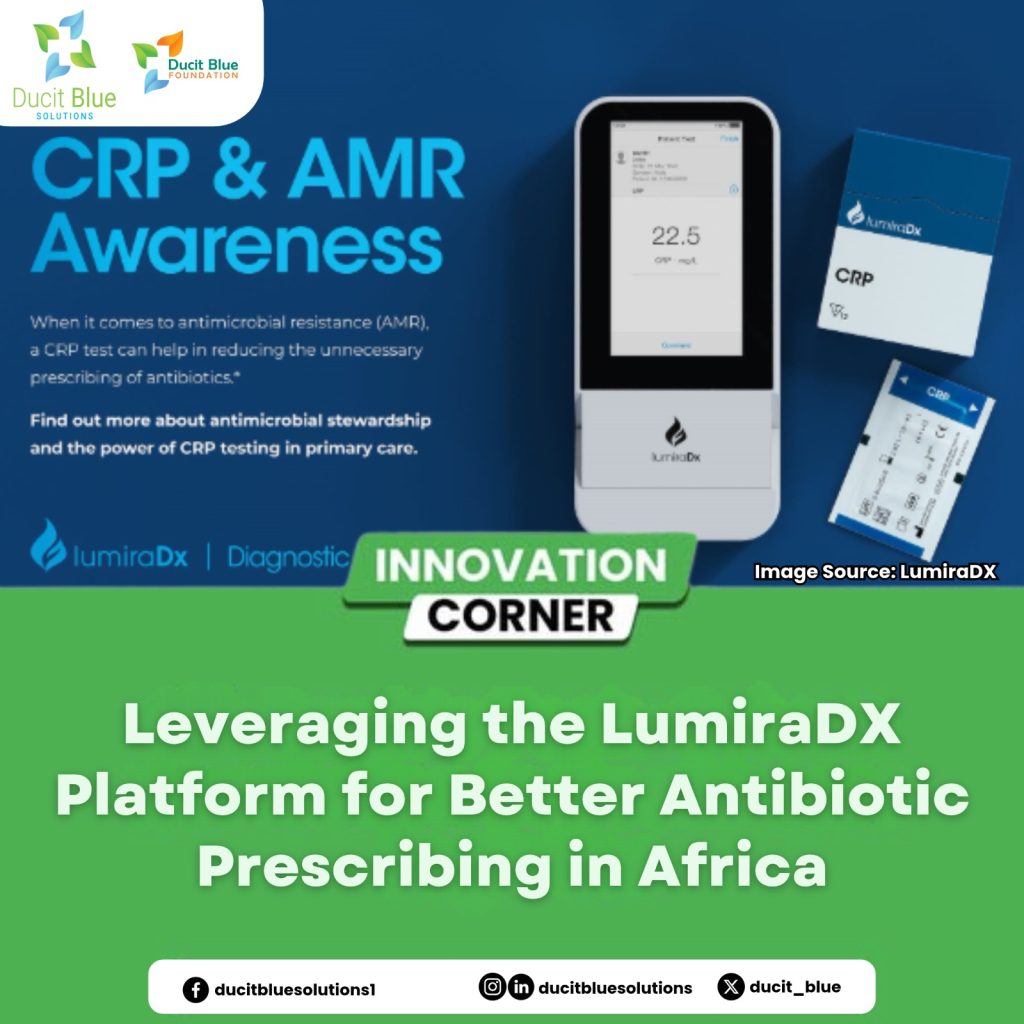
The LumiraDx Platform is a portable, point-of-care diagnostic system designed to bring laboratory-comparable test results directly to the patient’s side in minutes [5]. Developed by LumiraDx and now part of Roche’s diagnostics portfolio, the platform combines a small, battery-powered instrument with microfluidic test strips to deliver rapid results from a simple finger stick or nasal swab sample [5].
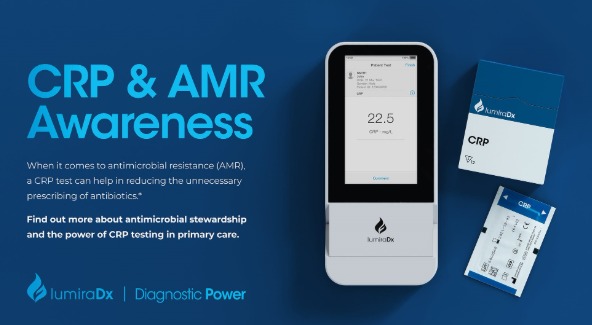
The LumiraDx Platform is a single instrument that supports nine different assays, including C-reactive protein (CRP), a biomarker that can contribute to the clinical assessment of suspected infection and support antibiotic prescribing decisions [6]. Other available tests cover conditions and clinical needs such as COVID-19, influenza A and B, respiratory syncytial virus (RSV), D-Dimer, glycated haemoglobin (HbA1c), international normalised ratio (INR), and N-terminal pro B-type natriuretic peptide (NT-proBNP), with a pipeline of more than 30 additional tests in development [7].
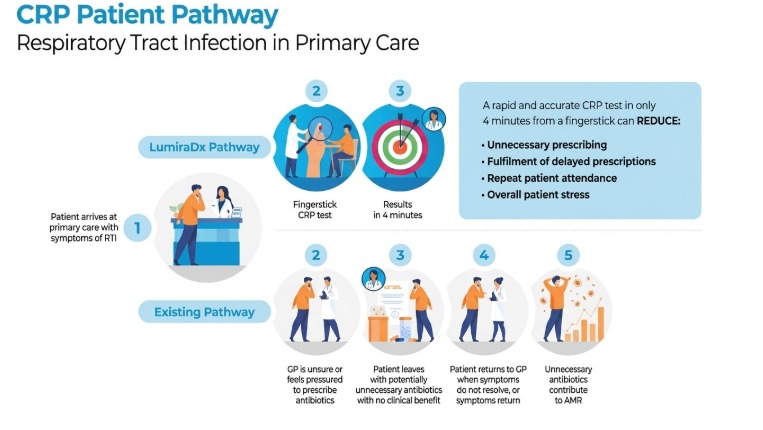
What makes LumiraDx especially relevant to the AMR crisis is its ability to help clinicians make more informed prescribing decisions. When a patient arrives with symptoms of infection, a CRP test performed on the LumiraDx platform can provide a quantitative result in minutes, giving the clinician objective data to guide whether antibiotics are truly necessary [8].
CRP is an adjunct to clinical assessment rather than a stand-alone test for determining whether an infection is bacterial or whether an antibiotic should be prescribed. Results should be interpreted alongside the patient’s symptoms, examination findings, disease severity, local treatment guidelines, and any other available diagnostic information. Clear clinical algorithms, training, quality assurance, and referral pathways are therefore essential if rapid CRP testing is to improve prescribing safely.
How It Works
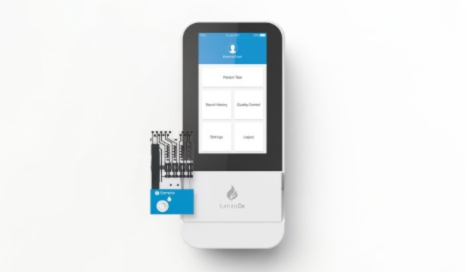
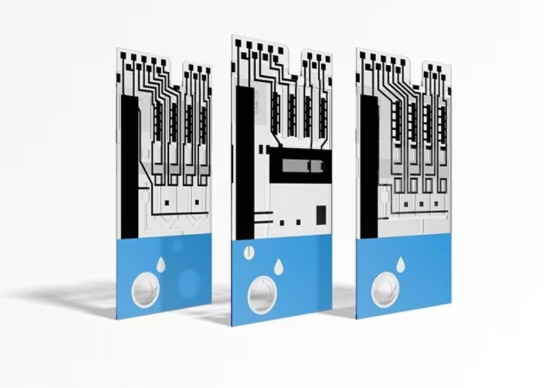
The LumiraDx Platform is built around actively controlled microfluidic technology, which enables laboratory-grade performance in a compact, user-friendly device. The system consists of three main components:
- The Instrument is a portable, lightweight device (approximately 1.1 kg) that is battery-powered and requires minimal training to operate. The intuitive interface provides step-by-step guidance throughout the testing process [5].
- The Test Strips in form of Microfluidic strips that can be stored at room temperature and are designed for use small sample volumes, including capillary blood obtained by finger stick or nasal swabs. Their sample requirements can reduce the need for venous blood collection and make testing more accessible across a range of care setting [5].
3. The platform can operate in Standalone mode, displaying results directly on the instrument screen without requiring internet connectivity. For facilities with reliable connectivity, it can also connect to cloud systems and hospital IT infrastructure to enable remote data reporting and decision support [5]. However, reliable internet and electricity remain significant barriers across many African healthcare settings, meaning the Standalone mode is often the most practical option for rural and resource-limited clinics.
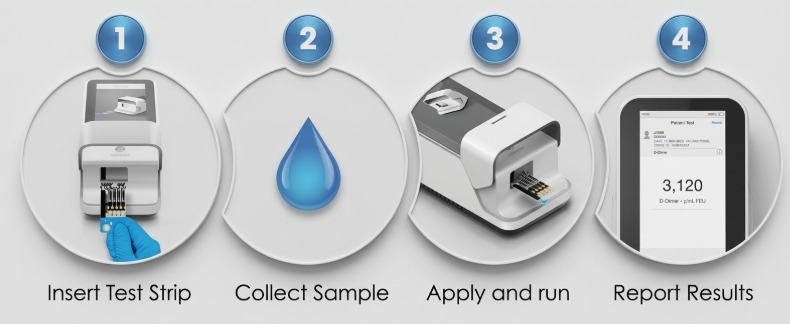
A healthcare worker collects a small sample, inserts it into a test strip and places the strip into the instrument. Results are available within minutes, depending on the test type. Clinicians can make treatment decisions during the same patient visit, rather than sending samples to a distant laboratory and waiting days for results.
Global Recognition
In May 2022, the World Health Organization (WHO) granted Emergency Use Listing (EUL) to the LumiraDx SARS-CoV-2 Ag Test. Notably, this was the first microfluidic assay to meet the WHO’s criteria for emergency use, marking a significant milestone for the technology [9].
Through a partnership with the Bill and Melinda Gates Foundation announced in November 2020, LumiraDx had distributed 5,000 portable diagnostic instruments across 49 African countries by May 2022, for use in settings including field clinics, airports, primary healthcare facilities, and occupational health settings [10]. This partnership also included commitments to develop tuberculosis assays. This deployment demonstrates the platform’s geographic reach, although distribution figures alone do not establish routine use, sustained availability, or an effect on antibiotic prescribing.
In 2024, Roche acquired LumiraDx’s point-of-care technology, further strengthening the platform’s global reach and commitment to expanding access to diagnostic testing in primary care and low- and middle-income countries [11].
Relevance to Africa
- The portable, battery-powered design and room-temperature storage of test strips make LumiraDx suitable for use in settings where traditional laboratory infrastructure is unavailable or unreliable. This includes rural clinics and primary healthcare centres. Importantly, the platform can operate in Standalone mode without internet connectivity, which is essential, given the lack of reliable electricity [5].
- In many African healthcare settings, patients may wait days for laboratory results or never receive them at all [12]. The LumiraDx platform delivers results in minutes, enabling clinicians to make immediate, evidence-based treatment decisions [13]. This is particularly important for antimicrobial stewardship, as it allows clinicians to withhold antibiotics when they are not needed, preserving their effectiveness for when they truly are.
3. The platform’s ability to run multiple tests on a single instrument reduces the need for multiple devices, lowering training requirements and maintenance needs, which is valuable in resource-limited settings [14].
Current Status and Implementation Challenges
- Although LumiraDx is designed to be affordable, the cost of individual tests remains a potential barrier in low-resource settings. A cost analysis conducted in Mozambique found an estimated cost of approximately USD 13.00 per LumiraDx SARS-Cov-2 antigen test, compared with USD 8.90 for some other rapid antigen tests [15]. Because this comparison concerned COVID-19 testing, it should not be assumed to represent the cost or cost-effectiveness of CRP testing for antimicrobial stewardship.
- While the platform is designed for ease of use, it still requires some laboratory infrastructure and trained personnel. Investment in training programs and support for healthcare workers will be essential.
- The uncomfortable reality is that access to this technology in Africa currently depends on external financing rather than domestic health budgets, and LumiraDx’s own regulatory filings warned that delays or reductions in that funding could slow the rollout of these programmes [16].
Future Outlook
LumiraDx has already demonstrated its potential in African field settings, with peer-reviewed evaluations in Liberia, Senegal, Nigeria, and South Africa, and testimonials from Kenyan healthcare workers describing its use as a game changer for rapid COVID-19 testing [17]. For Africa, the future of this technology raises urgent questions about equity and access. The platform’s real promise lies in its potential to move testing out of central laboratories into clinics where patients are. If that promise is fulfilled, it could help preserve the effectiveness of antibiotics by ensuring that only patients who truly need them receive them.
However, major barriers remain, such as Africa’s diagnostic systems remaining dependent on donor funding (that is now under pressure). Equipment, maintenance, and testing costs remain the biggest obstacles to wide-scale adoption, and the decline in external financing is making those obstacles harder to overcome. This is where African health leaders need to rise to shift from donor-supported healthcare to domestically funded systems. Shared action is needed from governments and from the private sector. Without it, LumiraDx risks becoming just another innovation that is not within Africa’s reach.
At Ducit Blue Solutions (DBS), as we continue to explore bold ideas leading to emerging solutions and transformative innovations, we remain steadfast in our commitment to advancing patient safety and strengthening health systems that delivers high-quality healthcare services for all. Innovation goes beyond new technologies or approaches but about creating sustainable impact that improves outcomes and builds resilient systems that place people at the centre of care.
REFERENCES
- World Health Organization. (2023). Antimicrobial resistance [Fact sheet]. https://www.who.int/news-room/fact-sheets/detail/antimicrobial-resistance
- World Health Organization Regional Office for the Eastern Mediterranean. (2025, November 24). WHO launches a policy brief addressing antimicrobial resistance in fragile and conflict-affected situations. https://www.emro.who.int/media/news/who-launches-a-policy-brief-addressing-antimicrobial-resistance-in-fragile-and-conflict-affected-situations.html
- Stewart, S.-J. F., Pandolfo, A. M., Moon, Z., Janjua, S., Meredith, L. W., Kipps, C., Horne, R., & Moore, L. S. P. (2025). Guidelines vs mindlines: A qualitative investigation of how clinicians’ beliefs influence the application of rapid molecular diagnostics in intensive care. Antimicrobial Agents and Chemotherapy, 69(3), e01156-24. https://doi.org/10.1128/aac.01156-24
- African Society for Laboratory Medicine. (2022). Policy brief and infographics on antimicrobial resistance (AMR) in Africa. https://aslm.org/wp-content/uploads/2022/09/ASLM_MAAP_Infographic_090922.pdf
- Roche Diagnostics. (2026). LumiraDx Instrument. https://diagnostics.roche.com/global/en/products/instruments/lumiradx-ins-7781.html
- Bachtiger, P., et al. (2024). Performance evaluation of the LumiraDx quantitative microfluidic point-of-care CRP test in pediatric emergency. Clinica Chimica Acta. https://doi.org/10.1016/j.cca.2024.119453
- LumiraDx. (2023). The LumiraDx Platform. https://www.lumiradx.com/uk-en/
- Atkins, M., Bartlett, K., Marriott, K., Plant, D., Measures, S., Lagman, C., Newbould, C., McGrane, P., & Leaver, E. (2025). Performance evaluation of a point of care capillary blood test for C-reactive protein in community healthcare. BMC Primary Care, 26(1), 288. https://doi.org/10.1186/s12875-025-02972-1
- BioSpace. (2022, May 20). LumiraDx receives WHO Emergency Use Listing for SARS-CoV-2 Ag Test. https://www.biospace.com/lumiradx-receives-who-emergency-use-listing-for-sars-cov-2-ag-test
- Clinical Lab Products. (2022, May 20). LumiraDx receives WHO Emergency Use Listing for SARS-CoV-2 Ag Test. https://clpmag.com/disease-states/infectious-diseases/covid-19/lumiradx-receives-who-emergency-use-listing-for-sars-cov-2-ag-test/
- Roche. (2024, July 29). Roche closes acquisition of LumiraDx’s Point of Care technology to expand access to diagnostic testing in primary care. https://www.roche.com/investors/updates/inv-update-2024-07-29
- World Health Organization Regional Office for Africa. (2026). Progress report on the implementation of the Regional strategy on diagnostic and laboratory services and systems, 2023–2032 for the WHO African Region (AFR/RC76/INF.DOC/3). https://www.afro.who.int/sites/default/files/2026-06/AFR-RC76-INF-DOC-3%20Progress%20report%20on%20the%20Regional%20strategy%20on%20diagnostic%20and%20laboratory%20services%20and%20systems%202023-2032.pdf
- Roche. (2024). Roche x LumiraDx: Accelerating innovation in near-patient care. https://www.roche.com/stories/roche-lumiradx-accelerating-innovation-near-patient-care
- LumiraDx. (2021). Annual report pursuant to Section 13 or 15(d) of the Securities Exchange Act of 1934 (Form 10-K). U.S. Securities and Exchange Commission. https://www.sec.gov/Archives/edgar/data/1685428/000095012320009619/filename1.htm
- Manjate, N. J., Sitoe, N., Nguenha, N., et al. (2023). Testing for SARS-CoV-2 in resource-limited settings: A cost analysis study of diagnostic tests using different Ag-RDTs and RT-PCR technologies in Mozambique. PLOS Global Public Health, 3(6), e0001999. https://doi.org/10.1371/journal.pgph.0001999
- LumiraDx. (2021). Registration statement (Form F-4). U.S. Securities and Exchange Commission. https://capedge.com/filing/1685428/0001193125-21-209905/LMDWF-F4
