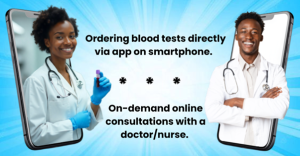
What this means: instead of travelling, waiting, filling out forms and paying high fees, users can handle many primary care tasks from their phones.
Why It Matters (Impact)
Accessibility and convenience: Users skip queues and physical visits for many basic health needs.
Affordability: The “pay as you go” model allows users to access online doctor consults from relatively low starting fees (e.g., from R189 in South Africa) rather than full private-clinic tariffs.2
Prevention and wellness: The offering of free AI check-ins and health score tools emphasizes proactive health rather than only reactive care.
Scalable model for Africa: As internet/mobile penetration grows, such digital platforms can help bridge rural/urban divides and relieve pressure on hospital systems. This ties into findings about digital networks reshaping healthcare across Africa.3
Challenges & Considerations
Digital divide: For a mobile-first platform to succeed, stable internet/data connectivity and device ownership are required which remain uneven across Africa.8
Regulation and data security: The growth of digital health raises issues of data privacy, consent, interoperability and regulatory frameworks. As WHO notes, national digital-health strategies are essential.6
Sustainability and human element: Digital care cannot fully replace in-person services for complex conditions; integration with clinics and hospitals remains important.
Cultural, language, literacy factors: Platforms must adapt to local contexts (languages, health‐seeking behaviours, trust) for real uptake.
Adoption & Sustainability in Nigeria and Beyond
- Design for Local Realities
Digital health innovation must align with Nigeria’s infrastructural context. While smartphone penetration is growing, gaps in internet access, electricity, and rural connectivity persist. Platforms should include low-bandwidth modes, offline access, and SMS-basedoptions to ensure inclusivity.9
- PrioritiseTrust and Usability
Technology adoption depends on human trust. Many Nigerians still prefer physical consultations and express concern over data privacy. To bridge this, platforms must feature simple interfaces, local languages, hybrid human–AI support, and digital literacy campaigns targeting women and rural dwellers.10 - Integrate with Existing Systems
Digital platforms thrive when linked to hospitals, diagnostic labs, and insurance networks. For real impact, innovators must align with national health policies, build interoperable systems, and create referral pathways that strengthen(not compete with) the public sector.11 - Build Capacity and Digital Literacy
Technology alone cannot transform healthcare without skilled users. Healthcare workersrequire telemedicine training, while patients need guidance on booking, remote consultations, and data interpretation. Ongoing training programmes will enhance confidence and sustainability.12 - Strengthen Governance and Sustainability
Clear data-protection policies, ethical AI standards, and sustainable funding models are essential. Innovators should ensure compliance with Nigeria’s Data Protection Act, maintain transparency, and explore partnerships with insurers, telecoms, and government agencies for long-term viability.13 - Focus on Prevention and Wellness
UnuHealth’s model highlights the power of preventive care. Offering free health checks and wellness monitoring can shift the national focus from reactive treatment to proactive well-being. Nigerian start-ups can replicate this by embedding screening, reminders, and educational tools into their platforms.14 - Extend Reach to UnderservedCommunities
For digital health to drive equity, rural areas must not be left behind. Solutions should include offline modules, mobile clinics, or community health worker partnerships. Designing culturally attuned and language-appropriate tools will deepen adoption and trust across regions.9
Take-Away Insights
Digital health platforms such as Unu Health are transformative: turning smartphones into health hubs rather than waiting rooms.
The model draws on on-demand, pay-as-you-go, and AI-enabled screening, which suit younger, mobile-connected populations.
For African countries, this model is not just about technology, but about business model, regulatory environment, digital literacy, and integration with existing health systems.
For Nigeria (and similar markets), key questions must be asked: How do we ensure connectivity and literacy? How do we regulate and protect patient data? How do we integrate digital services with public health infrastructure and ensure equity?
Conclusion
The story of Unu Health showcases how the convergence of mobile technology, artificial intelligence, and consumer-friendly service models can reshape how private healthcare is delivered. In Africa, where waiting times, distance and cost have historically hindered health access, such innovations represent a promising step toward a more inclusive, efficient and patient-centered healthcare future. For policymakers, health communicators and start-ups alike, the challenge now is to scale responsibly, bridging urban and rural populations, integrating with national health strategies, and ensuring the digital health revolution leaves no one behind.
References
- Online Medical Services: Private care and prevention from your phone. Unu Health. https://www.unuhealth.org/online-medical-services Unu Health
- Why you’ll love Unu Health. Unu Health. https://www.unuhealth.org/ Unu Health
- How Digital Networks Are Reshaping Healthcare in Africa. eHealth Africa. (2025). eHealth Africa
- Rohan Benecke et al. Digital Health Innovations in Africa: Harnessing AI, Telemedicine and Personalized Medicine. Frontiers in Pharmacology. (2024). Frontiers
- Innovative Healthcare Technologies Transforming West Africa’s Medical Landscape. World Health Expo overview. (2025). World Health Expo
- Global Strategy on Digital health 2020 – 2025. World Health Organization. (2021) World Health Organization
- A new Digital Health Platform for Africa. Africa CDC. (2024) Africa CDC
- The Digital Economy for Africa Initiative. World Bank Group. (2025). https://www.worldbank.org/en/programs/all-africa-digital-transformation
- The Rise of Digital Health in Nigeria: Opportunities and Challenges. RHA Initiative (2025). https://www.rhainitiative.com/post/the-rise-of-digital-health-in-nigeria-opportunities-and-challenges
- James, J. Navigating Cultural and Social Barriers to Telehealth Adoption in Nigeria. LinkedIn Article. (2025). https://www.linkedin.com/pulse/navigating-cultural-social-barriers-telehealth-adoption-job-james-2oxpf
- Alexander Chiejina. Data is Life: Achieving Nigeria’s Digital-in-Health Approach. Nigeria Health Watch (2025). Data is life: Achieving Nigeria’s Digital-in-Health Approach | by Nigeria Health Watch | Medium
- Challenges in the Nigerian Health Sector. 9 Ways Hospitals and Other Health Facilities in Nigeria can Leverage Digital Technology to Overcome Challenges in The Health Sector. MyMedicalBank (2025). https://resources.mymedicalbank.com/challenges-in-the-health-sector
- Policy Gaps in Creating a Robust Health Technology Innovation Ecosystem in Nigeria. Sonvisage (2025). https://resources.mymedicalbank.com/challenges-in-the-health-sector
- How Digital Health is Transforming Healthcare in Nigeria. Sariva Healthcare (2025). https://sariva.com.ng/digital-health-nigeria