Author: Sarah Daniel
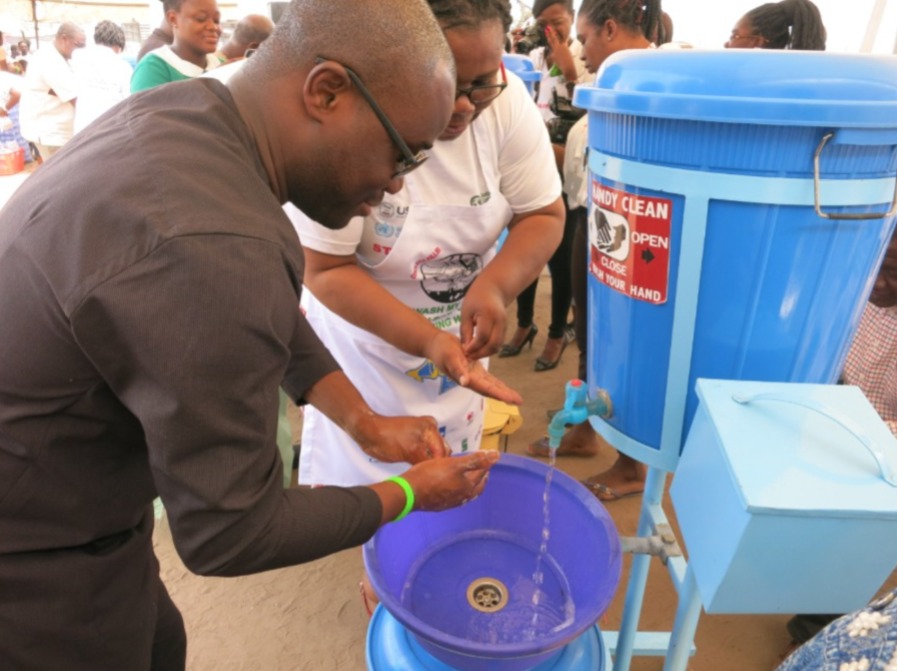
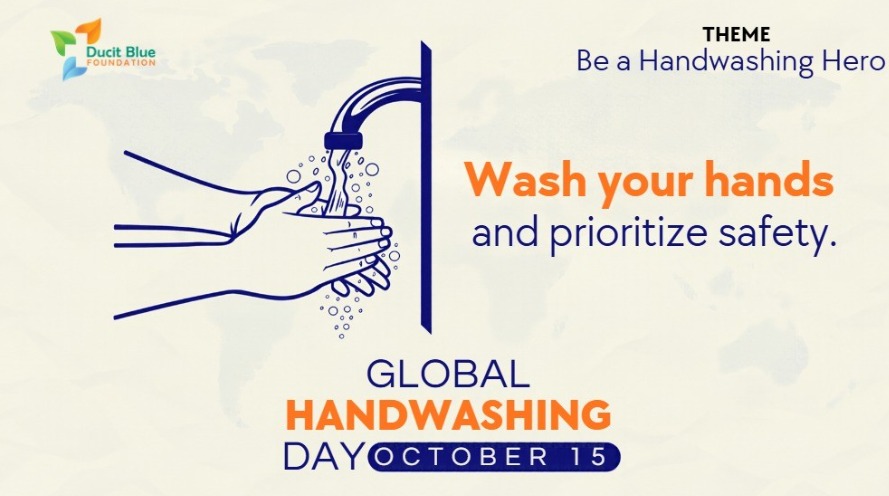
Every year, 15 October marks Global Handwashing Day, drawing attention to one of the most basic actions in public health: washing hands with soap. The message appears simple, but the evidence behind it goes far beyond personal cleanliness. Clean hands sit at the intersection of patient safety, infection prevention and control, water and sanitation, antimicrobial resistance, health-worker safety, outbreak preparedness and quality of care. The Global Handwashing Partnership describes handwashing with soap as an effective and affordable way of preventing disease and saving lives, while its current campaign calls on individuals and institutions to “Be a Handwashing Hero” by making clean hands a routine part of homes, schools, workplaces and communities1. Within healthcare, the challenge becomes even more urgent. The World Health Organization’s 2026 World Hand Hygiene Day campaign carries the message “Action saves lives.” WHO stresses that healthcare-associated infections remain a daily threat in hospitals and clinics and that timely hand hygiene and wider infection prevention and control measures can prevent a substantial proportion of avoidable infections1.
The data also show why this issue cannot be reduced to another reminder telling people to wash their hands1. In Nigeria, recent studies identify important gaps in infection prevention, handwashing practice, technique, infrastructure, monitoring and institutional support. The evidence suggests that many healthcare workers understand that hand hygiene matters, but knowing that something is important is not always the same as being able to perform it correctly, at the right time and every time. The more useful question for this year’s Global Handwashing Day is therefore not simply, “Do we know that handwashing prevents infection?” It is: What does the data tell us about why preventable infections still occur, where the gaps are, and what needs to change?1
Healthcare-Associated Infections: Why Prevention Still Matters
Healthcare-associated infections, or HAIs, are infections acquired while a person is receiving healthcare that were not present or incubating at the beginning of care. They include surgical-site infections, urinary tract infections, bloodstream infections, pneumonia and other infections associated with healthcare procedures and environments. Globally, HAIs remain one of the most common adverse events associated with healthcare delivery. WHO estimates that, on average, around 7 of every 100 patients admitted to acute-care hospitals in high-income countries and 15 of every 100 in low- and middle-income countries acquire at least one healthcare-associated infection during their hospital stay3. The consequences extend beyond the immediate infection. HAIs can lengthen hospital stays, increase treatment costs, expose patients to additional antimicrobial medicines, contribute to disability and premature death, and accelerate the development and spread of antimicrobial resistance. WHO’s 2024 Global Report on Infection Prevention and Control describes HAIs as an everyday threat to patients and health systems, not simply a problem that emerges during major infectious-disease outbreaks3.
A 2025 systematic review and meta-analysis by Onwuliri et al. examined 16 Nigerian studies involving 86,772 participants and estimated a pooled healthcare-associated infection prevalence of 15.75%4. Among the infections examined, urinary tract infections had the highest pooled prevalence at 32.54%, followed by surgical-site infections at 22.17% and skin and soft-tissue infections at 16.43%. The organisms most commonly reported included Proteus species and Staphylococcus aureus, followed by Escherichia coli, Klebsiella and Pseudomonas species4. These findings should not be interpreted as meaning that 15.75% of every hospital population in Nigeria will acquire an infection, because the studies varied in setting, methods and populations. Neither should the figure be interpreted as infections caused solely by poor hand hygiene. HAIs result from multiple interconnected factors including device use, surgical procedures, environmental contamination, antimicrobial exposure, sterilisation practices, staffing, WASH infrastructure and adherence to standard precautions. What the Nigerian findings do demonstrate is that healthcare-associated infection remains a substantial patient-safety concern and that prevention requires attention across the health system4.
Hand Hygiene Is Simple, but Correct Practice Requires More Than Washing
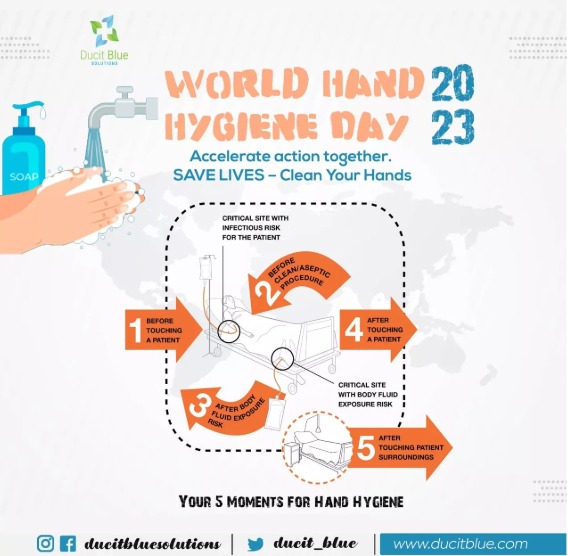
One reason handwashing is sometimes underestimated is that almost everyone knows how to “wash their hands” in the everyday sense. Healthcare hand hygiene, however, is more specific. It involves both technique and timing. WHO’s Five Moments for Hand Hygiene identify critical points during patient care when hands should be cleaned: before touching a patient; before a clean or aseptic procedure; after body-fluid exposure risk; after touching a patient; and after touching the patient’s surroundings. The purpose is to interrupt the movement of microorganisms between the healthcare environment, workers and patients21.
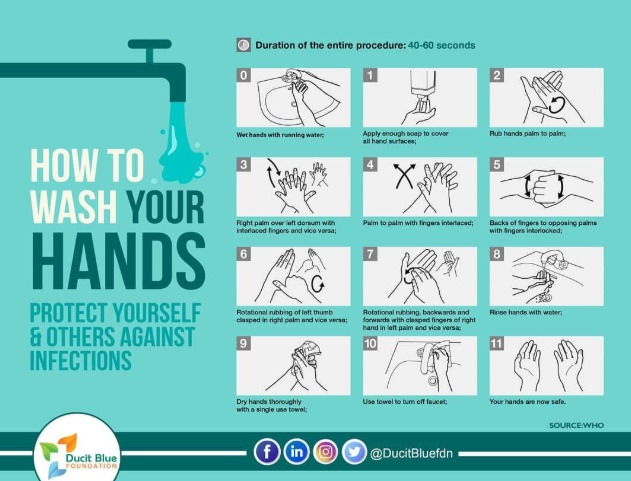
A 2024 study by Nwosu et al. assessed hand-hygiene knowledge and technique among 395 nurses at the University of Nigeria Teaching Hospital in Enugu, studied 395 nurses at the University of Nigeria Teaching Hospital in Enugu5. Most participants, 87.3%, had previously received formal hand-hygiene training, and almost all reported routinely washing their hands with soap. Yet only 29.2% demonstrated effective handwashing when their technique was objectively assessed using fluorescent gel and ultraviolet light.5 The fingernails and surrounding areas were inadequately washed in 38.4% of participants, the palm in 28.6%, the back of the hand in 22.9%, and the backs of the fingers in 21.9%. Among the steps most frequently missed were using a towel to turn off the tap, rubbing the backs of the fingers against the opposite palm, and wetting the hands before applying soap5. The study also identified gaps in knowledge of recommended hand-hygiene duration, illustrating that reported training does not always translate into correct practice.5
This distinction is important. A facility may report that staff have been trained, yet effective hand hygiene can still remain poor. Training attendance is therefore not the same as competence, and self-reported handwashing is not the same as objectively demonstrated technique. What Will Drive Change: Hand-hygiene training should move beyond occasional lectures and posters. Practical demonstrations, competency assessments, periodic refresher sessions and direct feedback can show healthcare workers which areas of the hands they repeatedly miss. Training should assess whether participants can correctly perform hand hygiene rather than simply whether they attended a session.
Hand Hygiene Compliance Is Still Uneven
Another recent Nigerian study provides insight into everyday handwashing behaviour across different categories of healthcare workers6. surveyed 588 healthcare workers providing HIV services in facilities across Ogun, Oyo and Ondo States. Only 56.5% demonstrated good awareness of handwashing practices and 54.6% met the study’s threshold for good compliance. Clinical professionals performed better than non-clinical staff, but the findings still showed considerable room for improvement. About 65.5% reported washing their hands both before and after routine activities. However, 32.8% washed only afterwards, while 1.7% reported washing only before activities6.
The distinction between “before” and “after” is more important than it first appears. Hand hygiene before patient contact or a clean procedure is particularly important for protecting the patient, while hand hygiene after contact or exposure also protects the healthcare worker and the wider care environment. A similar pattern was observed in a 2026 study by Tengbe et al. at a tertiary maternity hospital in Sierra Leone, which examined 404 hand-hygiene opportunities and found an overall compliance rate of only 32%9. Compliance reached 37% among nurses, 34% among midwives and 27% among doctors. Most strikingly, compliance was 83% after a risk of exposure to body fluids but only 6% before a clean or aseptic procedure9. These findings suggest that perceived personal risk may influence behaviour more strongly than less visible risks to patients. This does not mean healthcare workers are unconcerned about patient safety; rather, it shows why IPC programmes must reinforce the importance of every hand-hygiene moment and not only those associated with obvious personal exposure9.
The Barriers Are Not All Behavioural
Poor hand-hygiene compliance can easily be interpreted as negligence, but recent Nigerian evidence shows that the problem is often more complex. In the Southwest Nigeria study, 48.1% of participants identified inadequate running water as a barrier, while 42.2% reported a lack of handwashing materials. Being busy and forgetting were also reported, but less frequently6. Another Nigerian study published in 2024 identified institutional barriers including inadequate supplies, competing job demands, emergencies and increased workload, alongside individual factors such as knowledge, forgetfulness and negligence7. Although the study examined experiences related to the COVID-19 period, its findings reinforce an important point: hand hygiene is influenced by the environment in which healthcare workers are expected to practise it7.
If a handwashing station has no water, education alone will not solve the problem. If alcohol-based hand rub is unavailable at the point of care, staff may have to leave the care area before every hand-hygiene opportunity. If healthcare workers are managing excessive workloads, compliance may become increasingly difficult. If gloves are readily available but soap or hand rub is not, the system may unintentionally encourage inappropriate dependence on gloves. This is why WHO’s approach to hand-hygiene improvement is multimodal rather than based on awareness alone. It combines system change, training and education, evaluation and feedback, workplace reminders and institutional safety culture. What Will Drive Change: Health facilities should distinguish between behavioural and structural causes of poor compliance. Where knowledge is inadequate, training may be appropriate. Where the problem is lack of water, hand rub, staffing or appropriately positioned facilities, education alone will have limited effect. The barrier itself must be addressed.
Hand Hygiene Depends on Reliable Water, Sanitation and Hygiene Services
Effective hand hygiene cannot be separated from water, sanitation and hygiene services within healthcare facilities. Health workers may understand when and how to clean their hands, but adherence becomes difficult when basic infrastructure is unavailable or unreliable. The WHO/UNICEF Joint Monitoring Programme has repeatedly highlighted major inequalities in WASH services across healthcare facilities. Their 2024 update reported that in 2023 only about 34% of healthcare facilities in sub-Saharan Africa had a basic hygiene service, among countries with sufficient data. Globally, approximately 9% of healthcare facilities had no hygiene service, meaning they lacked functional hand-hygiene facilities at both points of care and toilets10.
More recent WHO/UNICEF estimates show improvement in basic hygiene services in healthcare facilities globally, alongside persistent regional inequalities. In 2025, approximately 72% of healthcare facilities globally had basic hygiene services, up from 55% in 2015, compared with just 34% in sub-Saharan Africa11.
Globally, hundreds of millions of people continued to receive care in facilities without adequate hand-hygiene infrastructure11. The situation is particularly concerning in fragile settings, where deficits in water, hygiene, environmental cleaning and healthcare waste management can occur simultaneously. These gaps affect far more than convenience. They directly influence whether standard infection-prevention practices can be carried out consistently.
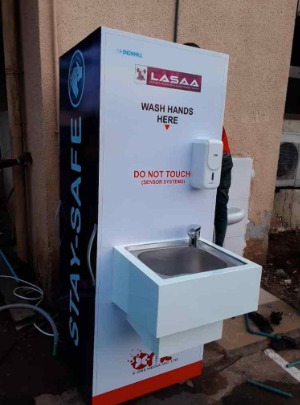
The implication is straightforward: healthcare systems cannot demand reliable hand-hygiene compliance without providing reliable conditions for it. Water, soap, alcohol-based hand rub, clean towels, functioning sinks, appropriate waste management and dependable supply systems should therefore be regarded as part of essential patient-safety infrastructure rather than optional amenities. Investments in hand-hygiene behaviour must be matched by investments in the physical environment that enables that behaviour.
Gloves: Protection Should Not Create False Confidence
Another issue receiving increasing attention in infection prevention is inappropriate glove use. WHO dedicated its 2025 World Hand Hygiene Day campaign to the message “It might be gloves. It’s always hand hygiene.” The reason is simple: medical gloves can become contaminated just as bare hands can, may develop small defects and do not provide complete protection. Wearing gloves therefore does not remove the need to perform hand hygiene at the recommended moments12.
Gloves remain essential when exposure to blood, body fluids or other potentially infectious materials is anticipated, but they must be used appropriately, removed at the correct time and followed by hand hygiene. They should also be changed between patients and between tasks when contamination may occur. The danger comes when gloves create false reassurance: a healthcare worker may assume that because gloves are being worn, the hands underneath are protected and transmission is impossible. The same contaminated gloves can then touch equipment, surfaces, another part of the patient’s body or another patient. WHO also highlights the environmental and financial consequences of unnecessary glove use, since excessive use generates healthcare waste and consumes resources without necessarily improving patient safety13. What Will Drive Change: Facilities should teach glove use and hand hygiene together rather than treating them as separate topics. Audits should assess not only whether gloves are available but whether they are being used appropriately, changed when required and followed by hand hygiene.
What Recent Lagos Data Tells Us About the Wider IPC System
Hand hygiene cannot succeed in isolation from the broader infection-prevention programme. A 2026 assessment of 415 healthcare facilities in Lagos State provides one of the clearest recent Nigerian pictures of wider IPC weaknesses8. assessed 214 private and 201 public hospitals and primary healthcare centres using a tool adapted from WHO’s Infection Prevention and Control Assessment Framework. Almost half of the facilities, 48.8%, were classified as having an inadequate level of IPC practice. Another 25.5% were classified at a basic level and 25.7% at an intermediate level, while none achieved an advanced level. Public facilities were particularly affected, with 57.7% classified as inadequate, compared with 40.2% of private facilities8.
The monitoring and training gaps were equally important. Only 23.4% of facilities had a defined IPC monitoring plan with clear goals, targets, activities and data-collection tools. Only 43.6% (2026) monitored hand-hygiene compliance, while 35.2% monitored the use of alcohol-based hand rub or soap. Furthermore, just 19.5% conducted mandatory IPC training for core healthcare workers, and only 16.6% reported mandatory training for cleaners and other personnel directly involved in patient care8. These figures help place individual handwashing behaviour in context. A healthcare worker’s performance is influenced by whether the institution has an IPC programme, whether staff receive appropriate training, whether materials are available, whether compliance is monitored and whether corrective feedback follows identified problems. IPC should therefore not be restricted to doctors and nurses. Cleaners, laboratory personnel, porters, community health workers and other staff also operate within environments where microorganisms can move between people, equipment and surfaces8.
From Awareness to Measurement
One of the strongest themes in WHO’s current IPC agenda is monitoring. WHO’s Global Action Plan and Monitoring Framework calls for hand-hygiene compliance monitoring and feedback to be established as a key indicator, at least in reference hospitals. WHO reported in 2025 that 68% of countries indicated that hand-hygiene compliance monitoring and feedback were being used as a national indicator13;2). The reason is practical: posters and policies tell us what health workers are expected to do; monitoring tells us what is actually happening.
A facility should therefore move beyond asking whether it has handwashing stations and begin asking whether those stations are functional, whether soap is continuously available, whether alcohol-based hand rub is positioned where care is delivered, whether workers clean their hands before aseptic procedures, which departments perform best, which professional groups require additional support and whether performance changes following intervention. The Lagos findings demonstrate the gap between this ideal and current practice, with fewer than half of facilities assessed monitoring hand-hygiene compliance and fewer than one-quarter having a clearly defined IPC monitoring plan8. Data should not be collected simply to produce another percentage. Its value lies in identifying a problem, understanding its cause, implementing a response and measuring whether that response produces improvement.
What Will Drive Change: Facilities should establish routine hand-hygiene indicators and provide regular feedback to healthcare teams. Monitoring can include compliance with the WHO Five Moments, availability of supplies, functionality of handwashing stations, appropriate glove use, IPC training coverage and trends in healthcare-associated infection. Results should be reviewed by those with the authority to act on them8.
Does Improving Hand Hygiene Actually Work?
This is an important question because awareness campaigns are only worthwhile if the interventions they promote result in meaningful improvements. A 2024 systematic review by Igwe et al14. examined infection-prevention interventions in African healthcare facilities. Of 4,624 records initially identified, 15 studies met the inclusion criteria. The studies generally used combinations of interventions rather than isolated activities, and every included study reported improvement in at least one primary outcome. The review concluded that IPC interventions have the potential to reduce healthcare-associated infections and improve hand-hygiene compliance across African healthcare settings14.
A 2026 systematic review examining hand-hygiene interventions in low- and middle-income countries reached a similar conclusion. Tusabe et al.15 reviewed 57 studies from 32 LMICs, with 15 contributing to the meta-analysis. Hand-hygiene interventions were associated with higher compliance following implementation, with a pooled risk ratio of 1.45, although there was substantial variation between studies. Frequently reported barriers included shortages of supplies, weak audit and data systems, workload, staffing pressure and WASH limitations, while common enablers included training, monitoring and feedback, leadership support, reliable supplies and implementation support15. As this analysis was published as a preprint, its findings should be interpreted with appropriate caution. Taken together, however, the wider evidence supports an important principle: hand-hygiene improvement works best when treated as a system rather than a slogan.
Hand Hygiene and Antimicrobial Resistance
Hand hygiene is also an important antimicrobial-resistance intervention. Every infection prevented is an infection that may not require antimicrobial treatment, while preventing the transmission of resistant organisms reduces opportunities for those organisms to move between patients, healthcare workers and the healthcare environment. The scale of the AMR challenge makes this connection particularly important. A major global analysis published in The Lancet estimated that bacterial antimicrobial resistance was associated with 4.71 million deaths in 2021, including approximately 1.14 million deaths directly attributable to bacterial AMR18. WHO’s 2025 Global Antibiotic Resistance Surveillance Report, drawing on more than 23 million bacteriologically confirmed infections, similarly describes antimicrobial resistance as a growing threat that undermines lifesaving treatment and increases the risks associated with common infections and routine medical procedures19.
WHO identifies strong IPC as one of the major components of controlling the spread of antimicrobial resistance in healthcare facilities. In simple terms, fewer infections mean fewer opportunities for antimicrobials to be prescribed, fewer resistant organisms transmitted and fewer patients exposed to difficult-to-treat infections. Nigeria has also incorporated infection prevention into its Second One Health Antimicrobial Resistance National Action Plan 2024–2028, reflecting recognition that AMR cannot be addressed through antimicrobial prescribing alone. Prevention has to sit alongside surveillance, stewardship, laboratory capacity, public awareness and wider One Health action20. Hand hygiene should therefore not be viewed simply as keeping hands visibly clean. It forms part of a wider national and global strategy to prevent infections before antimicrobial treatment becomes necessary.
Hand Hygiene as an Investment, Not an Expense
In resource-constrained health systems, infection-prevention measures can sometimes be viewed primarily as additional costs: purchasing alcohol-based hand rub, maintaining water systems, providing soap and towels, employing IPC personnel, conducting surveillance or organising training. WHO’s recent investment case encourages health systems to look at the issue differently. Its 2025 Case for Investment and Action in Infection Prevention and Control emphasises that many healthcare-associated infections are preventable through appropriate IPC programmes and basic WASH services, and that strengthening these systems produces important health and economic benefits17.
The economic logic is straightforward. Preventing an infection can avoid additional diagnostic testing, antimicrobial treatment, prolonged hospitalisation, intensive care, repeat procedures, occupational exposure and financial consequences for patients and families. Investments in soap, water, alcohol-based hand rub, training and monitoring should therefore be understood as investments in avoiding more expensive harm. What Will Drive Change: IPC budgets should be treated as part of essential healthcare quality and patient-safety expenditure rather than as optional programme costs. Procurement plans should support uninterrupted supplies of hand-hygiene products, while persistent stock-outs and infrastructure failures should be treated as risks to patient safety.
Hand Hygiene and Outbreak Preparedness
The value of effective hand hygiene becomes even more visible during infectious-disease outbreaks. The COVID-19 pandemic reinforced public attention to hand hygiene, but outbreaks of Ebola, Marburg, cholera and other infectious diseases demonstrate the same principle: healthcare facilities can either interrupt transmission or contribute to its amplification. WHO’s 2024 global IPC report warns that weaknesses in infection prevention can allow pathogens to spread rapidly within healthcare environments, affecting both patients and health workers and potentially reducing health-system capacity precisely when demand for care is increasing16.
The recent Lagos assessment is therefore important beyond routine patient care. Olonire et al. (2026)8 examined IPC practice partly in the context of disease-outbreak preparedness and found that almost half of the facilities assessed had inadequate IPC practices. Weak monitoring, limited formal training and gaps in programme implementation may become particularly consequential when an emerging pathogen reaches a healthcare facility. Preparedness should therefore begin before the next emergency. A functioning IPC programme, trained workforce, reliable WASH infrastructure and established monitoring system cannot be created effectively in the middle of an outbreak. Hand hygiene may be one component of that preparedness system, but it is one that every healthcare facility should already be capable of performing routinely.
The Five Questions Every Health Facility Should Be Asking
The evidence suggests that a more useful hand-hygiene conversation begins with measurement rather than assumptions. A health facility should be able to answer five basic questions: Do we have the infrastructure? Are water, soap, clean towels and alcohol-based hand rub consistently available where they are needed? Do our workers know the correct moments and technique? Training attendance should not be confused with demonstrated competence. Are staff actually complying? Routine observation and audit are necessary because self-reported behaviour can differ from actual practice. What prevents compliance? Is the problem knowledge, workload, supplies, infrastructure, workflow, glove misuse, leadership or a combination of factors? Finally, what happens after we collect the data? If monitoring identifies a persistent gap, there should be a defined response, a person responsible for addressing it, a timeline and a follow-up assessment. These questions move handwashing from an awareness message to a quality-improvement process.
What the Data Is Really Telling Us
Across the recent evidence, several patterns emerge. Infection risk remains substantial, with Nigeria’s pooled HAI prevalence of 15.75% demonstrating that infections acquired during care continue to require attention4. Knowledge alone is not sufficient: at the University of Nigeria Teaching Hospital, most nurses reported prior training, yet fewer than one-third demonstrated effective handwashing when their technique was objectively assessed5. Compliance is also not evenly distributed across clinical situations, with Nigerian and West African evidence suggesting that hand hygiene following activities or exposure may occur more consistently than hand hygiene before patient contact or aseptic procedures6;9.
Infrastructure is equally important. Inadequate running water and lack of handwashing materials remain reported barriers in Nigeria, while regional WASH data show that access to basic hygiene services within healthcare facilities remains a major challenge in sub-Saharan Africa6;10. Facilities also need stronger systems for monitoring and feedback. The Lagos IPC assessment found that fewer than half of surveyed facilities monitored hand-hygiene compliance and fewer than one-quarter had a clearly defined IPC monitoring plan8. At the same time, intervention studies show that improvement is possible when education is combined with reliable supplies, monitoring, feedback, leadership and other system-level measures14;15. The central lesson is therefore not simply that healthcare workers need to “remember to wash their hands.” The evidence shows that safe hand hygiene has to be supported and designed into the health system.
Ducit Blue Foundation’s Take: From Clean Hands to Safer Systems
Global Handwashing Day provides an opportunity to talk about clean hands, but the data require us to go further. At Ducit Blue Foundation, we believe hand hygiene should be understood as a measurable patient-safety intervention rather than an annual awareness message. Healthcare workers have a responsibility to practise appropriate hand hygiene, but health institutions also have a responsibility to provide the water, materials, training, staffing, leadership and monitoring systems that make good practice possible.
The evidence from Nigeria is particularly instructive. We have data showing that healthcare-associated infections remain an important challenge. We have evidence demonstrating a gap between reported knowledge and effective handwashing technique. Healthcare workers themselves have identified inadequate running water and lack of materials as barriers, while recent assessments of hundreds of Lagos healthcare facilities reveal weaknesses in IPC monitoring, training and programme implementation. These findings give us something more useful than another call to “wash your hands”; they provide an agenda for action.
Health facilities can assess whether hand-hygiene products are continuously available at the point of care; train staff and evaluate competency rather than attendance alone; monitor the WHO Five Moments and determine exactly where compliance is weakest; include cleaners and non-clinical workers in IPC programmes; investigate persistent gaps rather than immediately attributing them to negligence; connect hand-hygiene monitoring with healthcare-associated infection surveillance, antimicrobial stewardship and quality-improvement programmes; and ensure that findings reach the people with the authority and resources to act on them.
The Global Handwashing Partnership’s message for October is “Be a Handwashing Hero.” WHO’s 2026 message to healthcare systems is “Action saves lives.” Together, they capture what the evidence is asking of us. The next stage of hand-hygiene improvement should therefore be less about repeating what people already know and more about closing the gaps between knowledge and practice, policy and implementation, infrastructure and functionality, and measurement and action. The true measure of a hand-hygiene programme is not simply the number of posters displayed or training sessions conducted. It is whether clean hands are there when a patient needs them.
References
- Global Handwashing Partnership. (2026). Global Handwashing Day: Be a Handwashing Hero. https://globalhandwashing.org/global-handwashing-day/
- World Health Organization. (2026). World Hand Hygiene Day 2026: Action saves lives. https://www.who.int/campaigns/world-hand-hygiene-day/2026
- World Health Organization. (2024). Global report on infection prevention and control 2024. World Health Organization. https://www.who.int/publications/i/item/9789240103986
- Onwuliri, C. D., Ezebialu, I. U., Adebisi, A., Eleje, G. U., Akinola, B., Ezebialu, C. U., Abdullahi, K., et al. (2025). Systematic review and meta-analysis of the prevalence and types of health care associated infections in Nigeria. BMC Infectious Diseases, 25, 836. https://doi.org/10.1186/s12879-025-11246-1
- Nwosu, N. I., Mmerem, J. I., Ozougwu, J. J., Nlewedim, P. I., Ugwa, O. M., Ugwunna, N. C., Nwosu, E. O., et al. (2024). Knowledge of hand hygiene and evaluation of hand washing technique among nurses at the University of Nigeria Teaching Hospital. BMC Nursing, 23, 872. https://doi.org/10.1186/s12912-024-02519-2
- Offie, C. D., Ariyo, A. O., Adurogbola, F., Okon, U., Oguh, D., Ohue, M., Olajide, O., et al. (2024). Patterns of handwashing among healthcare workers in APIN Public Health Initiatives supported states in Southwest Nigeria. Discover Public Health, 21, 176. https://doi.org/10.1186/s12982-024-00315-6
- Ekediegwu, E. C., Onyeso, O. K., Nwanne, C., Nwosu, I. B., Alumona, C. J., et al. (2024). COVID-19 hand hygiene practices and its barriers among health care workers in a low-resource setting: A cross-sectional study in Nigeria. Discover Social Science and Health, 4, 43. https://doi.org/10.1007/s44155-024-00106-z
- Olonire, O., Idowu, A., Wright, K., & Sobande, O. (2026). Disease outbreak preparedness: A baseline assessment of infection prevention and control practice in healthcare facilities in Lagos, Nigeria. BMJ Public Health, 4(2), e003198. https://doi.org/10.1136/bmjph-2025-003198
- Tengbe, S. M., Kamara, I. F., Koroma, M. J., Fofanah, B. D., Ali, D. B., Koroma, B. M., & Macarthy, J. M. (2026). Hand hygiene compliance among healthcare workers at a tertiary maternity hospital in Sierra Leone: A cross-sectional study. Antimicrobial Resistance & Infection Control. https://doi.org/10.1186/s13756-026-01762-3
- World Health Organization & United Nations Children’s Fund. (2024). Water, sanitation, hygiene, environmental cleaning and waste management in health care facilities: 2023 data update and special focus on primary health care. WHO/UNICEF. https://www.who.int/publications/i/item/9789240103924
- UNICEF. (2026). WASH in health care facilities: WHO/UNICEF Joint Monitoring Programme estimates. https://data.unicef.org/topic/water-and-sanitation/wash-in-health-care-facilities/
- World Health Organization. (2025). World Hand Hygiene Day 2025: It might be gloves. It’s always hand hygiene. https://www.who.int/campaigns/world-hand-hygiene-day/2025
- World Health Organization. (2025). Gloves do not replace hand hygiene: Reminder from WHO. https://www.who.int/news/item/05-05-2025-gloves-do-not-replace-hand-hygiene—reminder-from-who
- Igwe, U., Okolie, O. J., Ismail, S. U., & Adukwu, E. (2024). Effectiveness of infection prevention and control interventions in health care facilities in Africa: A systematic review. American Journal of Infection Control, 52(10), 1135–1143. https://doi.org/10.1016/j.ajic.2024.06.004
- Tusabe, F., Cronk, R., Twinomugisha, F., Ninsiima, M., Anderson, D., Tantum, L. K., Kobba, K., et al. (2026). Effectiveness of hand hygiene interventions in healthcare facilities in low- and middle-income countries: A systematic review. medRxiv [Preprint]. https://doi.org/10.64898/2026.07.28.26359185
- World Health Organization. (2024). Global action plan and monitoring framework on infection prevention and control, 2024–2030. World Health Organization. https://www.who.int/teams/integrated-health-services/infection-prevention-control/draft-global-action-plan-and-monitoring-framework-on-ipc
- World Health Organization. (2025). The case for investment and action in infection prevention and control. World Health Organization. https://www.who.int/publications/i/item/B09330
- GBD 2021 Antimicrobial Resistance Collaborators. (2024). Global burden of bacterial antimicrobial resistance 1990–2021: A systematic analysis with forecasts to 2050. The Lancet. https://pubmed.ncbi.nlm.nih.gov/39299261/
- World Health Organization. (2025). Global antibiotic resistance surveillance report 2025. World Health Organization. https://www.who.int/publications/i/item/9789240116337
- Federal Ministry of Health and Social Welfare. (2024). Nigeria: Second One Health antimicrobial resistance national action plan 2024–2028. https://www.who.int/publications/m/item/nigeria–second-one-health-antimicrobial-resistance-national-action-plan-2024-2028
- World Health Organization. (2023). World Hand Hygiene Day. https://www.who.int/campaigns/world-hand-hygiene-day/2023