

A new year presents an opportunity to reset priorities and approach health with greater intention. As routines settle and expectations rise, the choices we make in our everyday lives begin to shape not just our wellbeing, but our capacity to show up fully in the months ahead.
Health is not built through short-lived motivation, but through small, consistent practices sustained over time. As the year unfolds, committing simple, practical health habits can strengthen resilience, preserve energy, and support wellbeing throughout the year.

The Power of Everyday Prevention
In busy seasons, we tend to focus on urgent tasks while overlooking simple preventive actions. However, prevention remains one of the most effective tools for maintaining good health.
Regular hand hygiene, mindful interactions in crowded spaces, and paying attention to early signs of illness are small but powerful practices. These actions don’t just protect individuals, they reduce the wider spread of infections within families, workplaces, and communities.
When prevention becomes habitual rather than reactive, it strengthens both personal and public health systems.
Food Choices as a Health Anchor
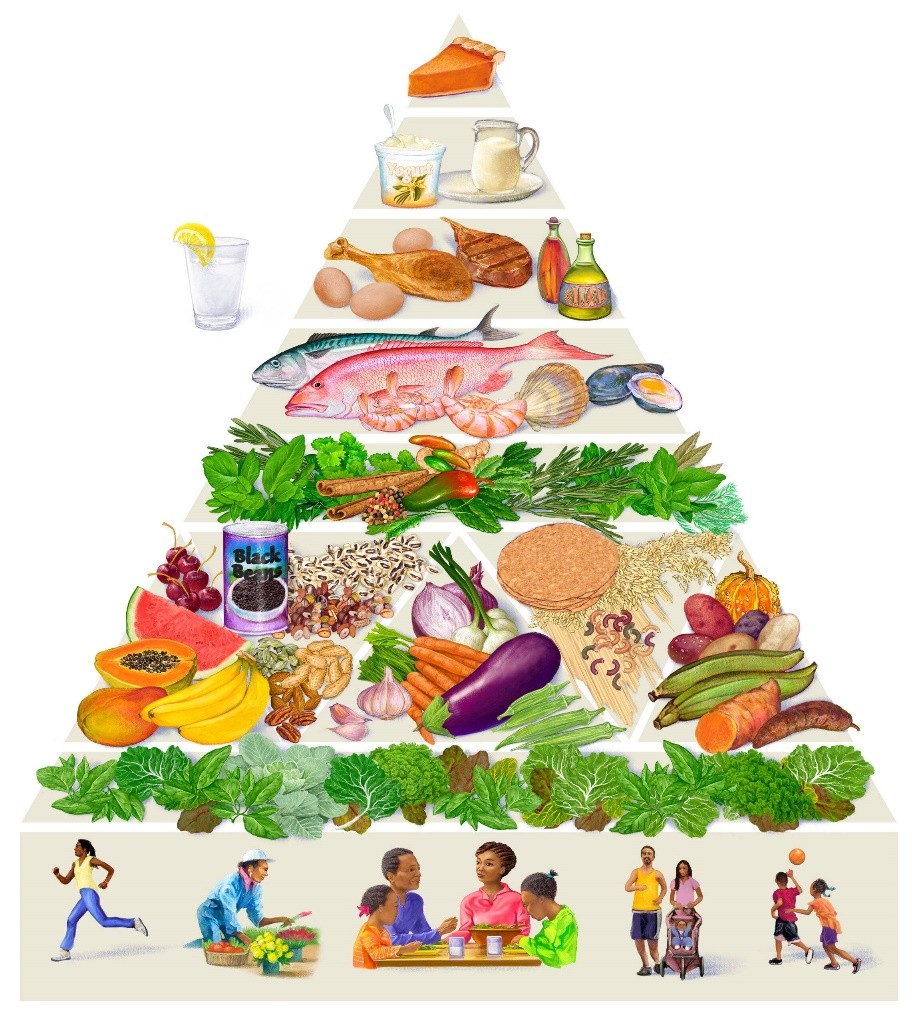
Food often becomes a source of comfort and connection. Yet, beyond enjoyment, food safety and nutritional balance play a critical role in wellbeing.
Ensuring meals are prepared hygienically, stored appropriately, and consumed in moderation helps prevent avoidable health issues. At the same time, choosing meals that nourish and not just satisfy, supports digestion, energy levels, and immunity.
Mindful eating is not about restriction; it is about intentional care for the body, even during indulgent seasons.

Rest, Immunity, and the Cost of Constant Activity
One of the most underestimated health risks is prolonged fatigue. Sleep disruption, late nights, and continuous activity weaken the immune system and impair mental clarity.
Quality rest allows the body to recover, repair, and resist illness. Prioritising sleep, staying hydrated, and maintaining basic physical activity (even short walks or stretching) can significantly improve resilience and strengthen gut health.
Starting the year rested is not a luxury; it is a strategic investment in health.

Movement, Travel, and Health Awareness
For many, year-end involves movement: commuting, travelling, visiting, or hosting. These transitions increase exposure to new environments and health risks.
Being health-aware while on the move matters. Simple actions such as carrying hand hygiene supplies, staying hydrated, changing out of travel clothes promptly, and listening to your body’s signals can reduce avoidable illness.
Health-conscious travel is not about fear; it is about preparedness and responsibility.

Mental Wellbeing in Times of Reflection
The close of a year naturally invites reflection, and for some, emotional strain. Financial pressure, unmet expectations, or social obligations can create stress that quietly affects health.
Creating space for rest, setting realistic boundaries, and prioritizing meaningful connections support emotional wellbeing. Mental health is deeply connected to physical health, and caring for one strengthens the other.
Ending the year with emotional balance allows us to enter the next with clarity and confidence.
Why These Small Choices Matter
Health outcomes are shaped long before emergencies arise. The decisions we make in everyday moments (how we eat, rest, move, interact, and care for ourselves), accumulate into long-term wellbeing.
At Ducit Blue, we recognise that sustainable health begins with awareness, prevention, and intentional action. This year, choosing health is not about perfection; it is about continuity. As you protect your health in the present, you shape a healthier future for yourself and those around you.
